NAD+ (nicotinamide adenine dinucleotide) and sleep have a genuinely compelling biological connection: NAD+ is a cofactor directly involved in the molecular machinery of your circadian clock, and NAD+ levels decline substantially with age, by an estimated 40 to 50 percent between your 20s and 80s, alongside the well-documented decline in sleep quality that also happens with age. The mechanistic case for why restoring NAD+ might help sleep is real and well-supported at the molecular level. What’s much less established is direct human evidence: the key study demonstrating that restoring NAD+ improves circadian rhythm function through a specific molecular pathway was conducted in aged mice, not humans. As of this writing, a dedicated, rigorous human trial using polysomnography to directly test NAD+ supplementation’s effect on sleep is still underway, meaning the popular “NMN improves your sleep” claims are currently running ahead of confirmed human evidence. This is educational information, not medical advice.
From the Practice
[RILEY: add a real observation here, for example how often clients ask about NAD+ or NMN specifically for sleep, or how you help them separate the compelling biology from what’s actually been proven in people.]
The Real Biology: How NAD+ Connects to Your Circadian Clock
This part of the story is genuinely well-established. NAD+ functions as a cofactor for sirtuins, a family of proteins involved in cellular regulation, and specifically for SIRT1, which interacts directly with core molecular clock genes, including CLOCK and BMAL1. NAD-dependent enzymes like SIRT1 help regulate the transcription-translation feedback loop that keeps your circadian clock running on schedule, not just in your brain’s central clock, but in peripheral tissues throughout your body. This is legitimate, well-documented molecular biology, NAD+ isn’t a fringe idea when it comes to circadian regulation, it’s a recognized part of how the clock mechanism actually works at the cellular level.
Why NAD+ Decline With Age Is a Genuine Correlate of Worse Sleep
NAD+ levels reliably decline with age, and sleep quality reliably declines with age too, often on a strikingly similar trajectory. Research has identified a specific driver of this decline: an enzyme called CD38 that actively breaks down NAD+, and CD38 activity increases with chronic inflammation, which itself tends to increase with age. This gives researchers a plausible, mechanistically grounded explanation for why NAD+ decline and sleep decline travel together as we age, rather than being an unrelated coincidence.
The Mouse Study Behind Most NMN-Sleep Claims
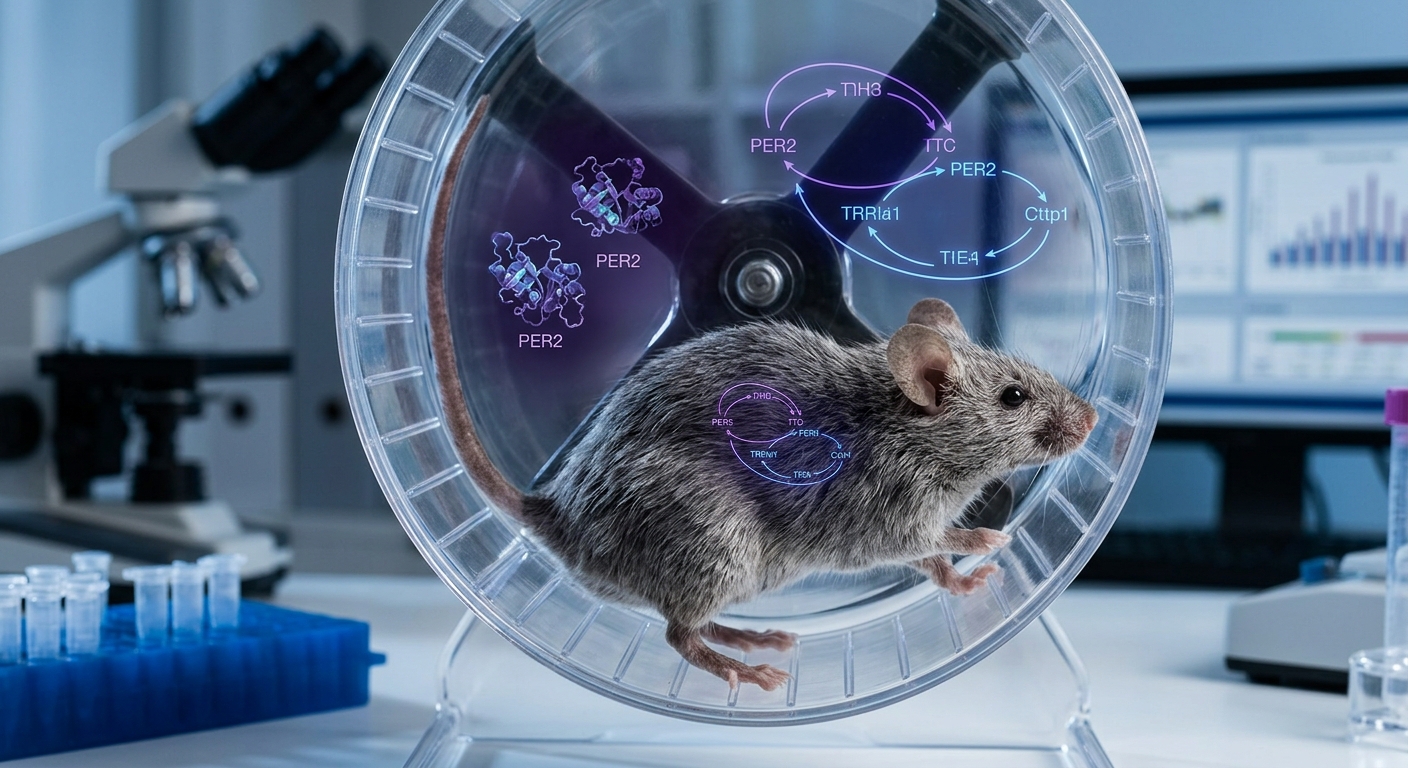
This is the part of the story that deserves the most scrutiny, since it’s the mechanistic backbone behind most popular claims that NAD+-boosting supplements improve sleep. A study published in Molecular Cell found that supplementing NAD+ in aged mice restored robust circadian gene expression and improved behavioral rhythms, specifically through SIRT1-dependent modification of a key clock protein called PER2. This is a genuinely important, well-designed piece of research, and it provides a clear, plausible biological mechanism for why NAD+ restoration could theoretically improve circadian function.
But it’s essential to be direct about what it is: a mouse study, not a human one. When this finding gets cited in NMN marketing content, it’s frequently presented in a way that blurs this distinction, describing what “research has shown” about NAD+ and sleep without clarifying that the specific mechanistic evidence comes from aged mice, not people. A separate study examining NMN in a mouse model of chemically induced insomnia found similar supportive effects, again, in mice, not humans.
At a Glance: What’s Actually Been Shown, By Species
Finding
Species Studied
NAD+ is a cofactor for SIRT1, which regulates core clock genes (CLOCK, BMAL1)
Established cellular/molecular biology, cross-species
NAD+ decline correlates with age-related sleep decline
Human observational data
NAD+ supplementation restored circadian gene expression via SIRT1/PER2
Aged mice (Levine et al., Molecular Cell)
NMN improved sleep in a chemically induced insomnia model
Mice
Dedicated polysomnography-based RCT testing NAD+ precursor supplementation on human sleep
Currently underway (healthy adults, ages 40-60)
Is There Actual Human Evidence Yet?
This is genuinely still being established. A registered clinical trial, referred to as the NADream study, is specifically designed to test whether nicotinamide riboside (an NAD+ precursor) supplementation improves objective and subjective sleep measures in healthy adults aged 40 to 60, using polysomnography as one of its assessment tools. The fact that this rigorous, dedicated human trial is only now underway is itself informative: it signals that a definitive, well-designed human answer to “does boosting NAD+ actually improve sleep” hasn’t existed until very recently, if it exists yet at all by the time you’re reading this.
Some smaller human reports have circulated suggesting NMN supplementation may improve sleep quality and reduce drowsiness in older adults over several weeks, but these come primarily through industry-adjacent sources rather than the kind of rigorously controlled, independently verified trial data that would settle the question. Until results from dedicated trials like NADream are published and replicated, the honest position is that NAD+’s role in sleep is a compelling, biologically grounded hypothesis, not yet a proven human intervention.
NAD+ is a legitimate, well-established part of the molecular circadian clock mechanism. As a cofactor for SIRT1 and other sirtuins, NAD+ directly interacts with core clock genes like CLOCK and BMAL1, making its role in circadian regulation genuine cellular biology, not speculative theory.
NAD+ decline and age-related sleep decline are correlated and mechanistically linked. NAD+ levels drop an estimated 40-50 percent between your 20s and 80s, and the enzyme CD38, which breaks down NAD+, increases with the chronic inflammation common in aging, offering a plausible shared explanation for why both trends occur together.
The key mechanistic study demonstrating NAD+ restoration improves circadian function was conducted in mice, not humans. Research published in Molecular Cell found NAD+ supplementation restored circadian gene expression and behavioral rhythms in aged mice through a specific SIRT1-PER2 pathway, an important finding that has not yet been directly confirmed in human sleep outcomes.
A dedicated, rigorous human trial is currently underway to test this question directly. A polysomnography-based clinical trial (NADream) is specifically designed to determine whether NAD+ precursor supplementation improves sleep in healthy adults, meaning a definitive human answer is still pending as of this writing.
This article is for educational purposes only and is not a substitute for personalized medical advice, diagnosis, or treatment.
Want a Sleep Strategy Grounded in Proven Human Evidence?
Join the free Sleep Nirvana Club course and community for practical, root-cause-first guidance: Join here
When to Seek Professional Help
You’re taking an NAD+-boosting supplement specifically for sleep and want to know whether the evidence actually supports that use
You’re investing significantly in a longevity supplement stack and want help prioritizing what’s actually likely to move the needle on your sleep
Your sleep hasn’t improved despite NAD+ supplementation, suggesting another factor may be the actual driver
You want to understand your options while waiting for more definitive human research to be published
You have questions about how NAD+-related supplements might interact with medications you’re taking
Frequently Asked Questions
Does NAD+ or NMN actually improve sleep in humans?
This hasn’t been rigorously confirmed yet. The key study showing NAD+ restoration improves circadian gene function was conducted in aged mice, not humans, and a dedicated human trial using polysomnography is currently underway specifically to answer this question directly. Smaller human reports exist but aren’t yet backed by the kind of rigorous, independently verified data needed to settle the question.
Why do people believe NAD+ helps with sleep if it hasn’t been proven in humans?
Because the underlying biology is genuinely compelling: NAD+ is a real cofactor for SIRT1, which directly regulates core circadian clock genes, and NAD+ decline correlates strongly with age-related sleep decline. This gives a plausible mechanistic story, even though the direct human evidence for supplementation improving sleep hasn’t caught up to the theory yet.
Is the “NAD+ improves sleep” research based on human studies or animal studies?
Mostly animal studies so far, specifically aged mice. The pivotal study connecting NAD+ restoration to improved circadian rhythm function through the SIRT1-PER2 pathway was conducted in mice, and a separate study on NMN and induced insomnia was also done in mice, not humans.
Is there a human clinical trial testing NAD+ supplementation for sleep?
Yes, a registered trial called NADream is currently testing nicotinamide riboside, an NAD+ precursor, supplementation against placebo in healthy adults aged 40-60, using polysomnography to measure sleep. Results from trials like this will provide the first rigorous, direct human evidence on this question.
Should I take NAD+ or NMN supplements specifically to improve my sleep?
Given that direct human evidence is still pending, it’s reasonable to be cautious about expecting a meaningful sleep benefit specifically from these supplements right now. If you’re already taking them for other reasons, that’s a separate consideration, but treating them as a proven sleep solution gets ahead of what the current human research actually supports.
When to Work With a Sleep Consultant
NAD+’s connection to sleep is one of the more genuinely interesting biological stories in the longevity space, but it’s also a clear example of promising cellular biology outrunning confirmed human evidence. If you’re navigating a longevity-focused supplement stack, it’s worth knowing what’s actually been proven.